I Was Here: World Cup 2026
Mexico is through to the top of its group, and we're celebrating! 🇲🇽⚽ This game also sent me down a history rabbit hole—from the founding of the first World Cup in 1930 to how the creation of Uruguay helped shape the tournament we know today. Come celebrate the World Cup and learn a little fútbol history along the way.
ART MAKINGHISTORY
E Beltran
6/17/20262 min read
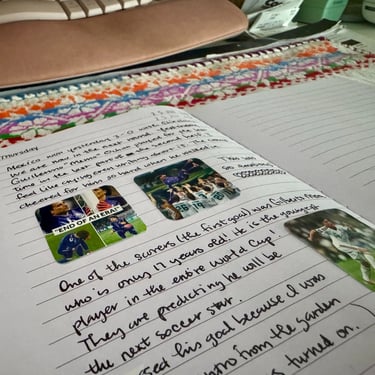
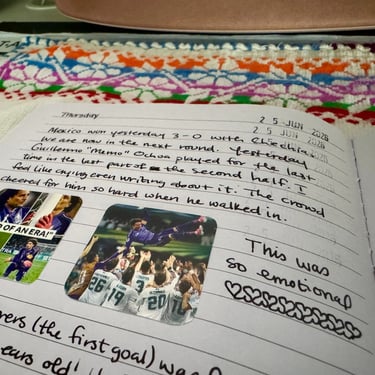
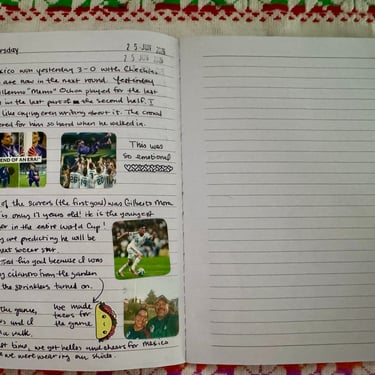
Mexico is first in its group! 🇲🇽 🥳
We are a Mexico team family 100%, and we have been celebrating. The game was a little boring in the first half, with Korea controlling the ball most of the time but struggling to get to the net. The second half was a little more exciting, maybe because that's when Mexico scored the first and only goal of the game, lol.
Can I tell you this little bit of World Cup history I learned? I think you'll find it interesting.
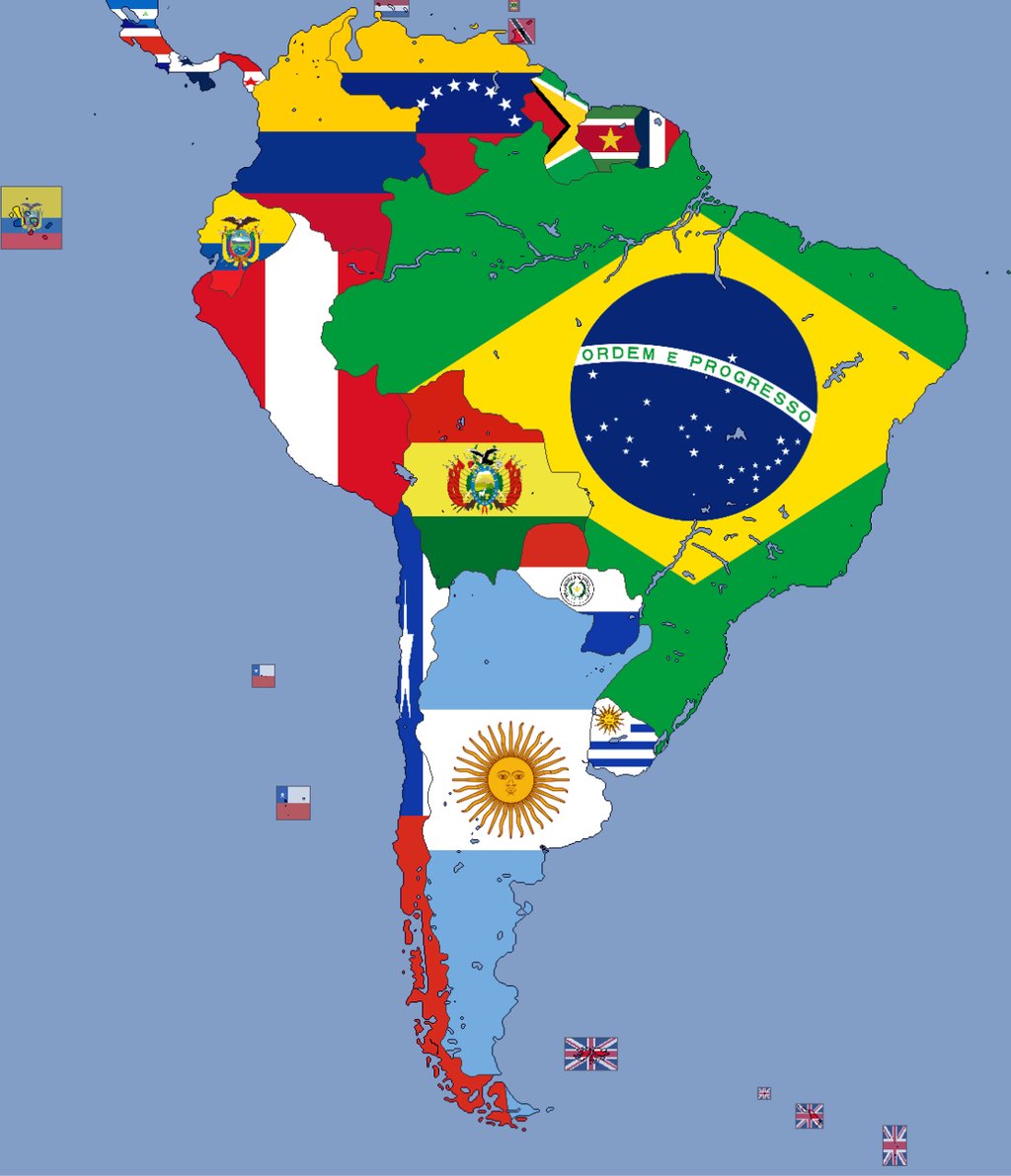
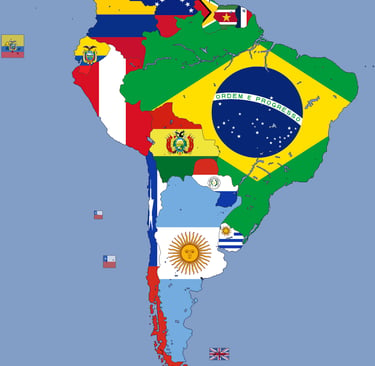
The World Cup began in 1930 in Uruguay. Uruguay was born of a war between the Spanish Viceroyalty of Rio de la Plata (Argentina) and the Brazilian Empire (after its independence from the Portuguese Crown). This war, called the Cisplatine War, began in 1825 and ended in August 1828, upon British intervention.
Wondering why British intervention? Several reasons. This war had severely affected their trade by denying them access to the Rio de la Plata. However, it was not convenient for Britain for either Argentina or Brazil to win the war and, therefore, the river. Since they had loaned money to both Argentina and Brazil during the war, they had leverage and a say in the conflict.
This intervention resulted in an agreement called El Tratado de Montevideo, which stated that the area between Argentina and Brazil, measuring 176,215 square kilometers (about the size of Oklahoma), would become a new independent country called Uruguay. This resolution allowed Great Britain to continue accessing the Rio de la Plata, which in turn increased the British population. And if there is something good that the British have brought to the world, it is fútbol ⚽️
The first World Cup was held in 1930, in celebration of Uruguay's 100th birthday. For this historic kickoff, the stadium El Centenario was built in Montevideo. All countries were invited to participate, but at first, only American countries confirmed their participation–Uruguay, Argentina, Brazil, Bolivia, Chile, Mexico, Paraguay, Peru, and the US. Because of the Great Depression, European countries declined. But after some insistence and convincing, five countries took the several-day ship trip to Uruguay–France, Belgium, Romania, and Yugoslavia.
13 countries competed in that first World Cup. There are now 48 countries. This has been so exciting that it is making it into my journal.
Río de la Plata
Map source: Wikicommons